
Your Vagus Nerve: The Complete Guide to How It Works and How to Support It

Your body talks to your brain more than your brain talks to your body. Roughly four times more, by the count of the nerve fibers involved.
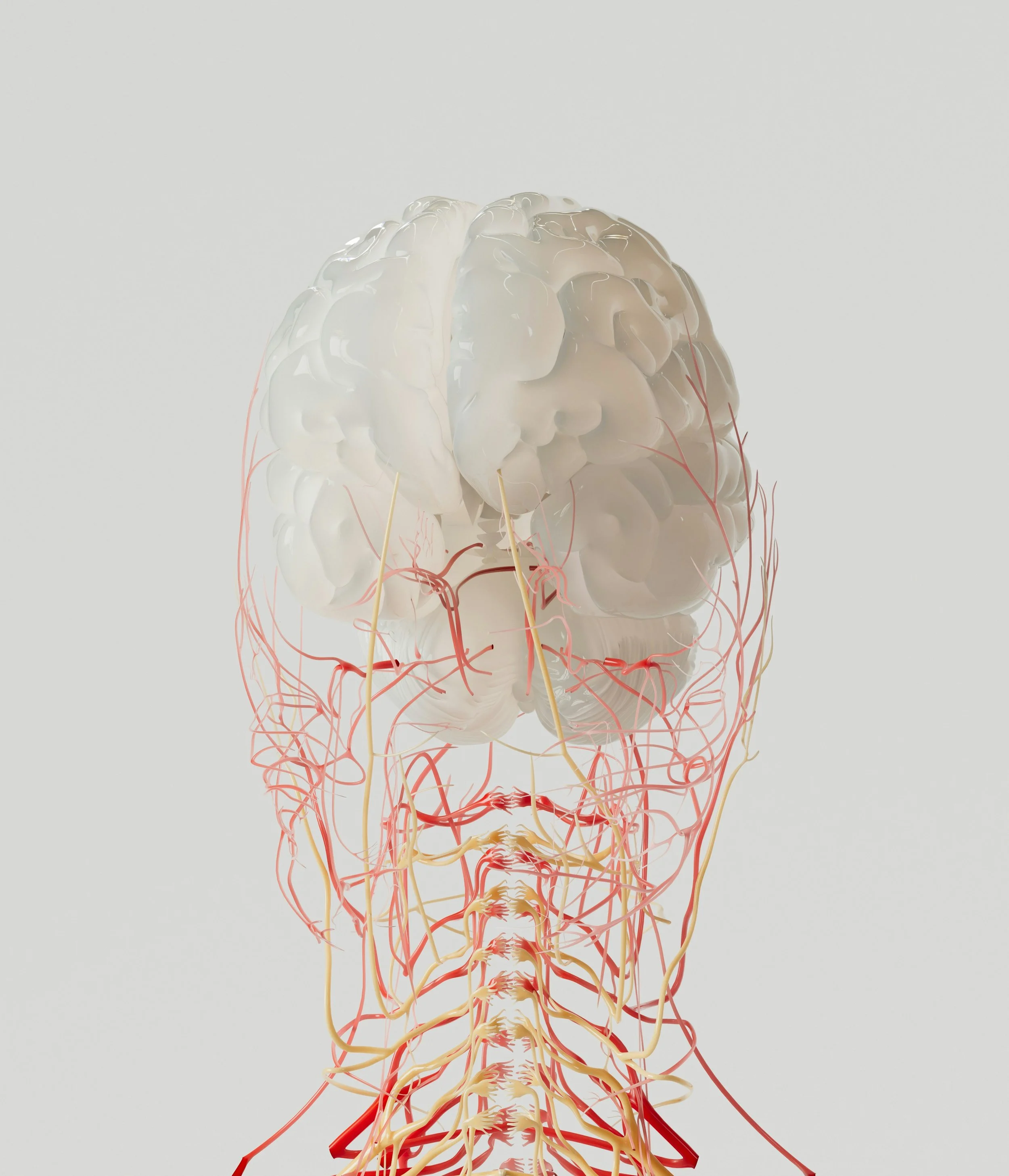
The vagus nerve is the highway carrying most of that conversation. It's the longest cranial nerve in the body and one of the most important regulatory structures you have. It runs from your brainstem down through your throat, branches into your heart and lungs, threads into your liver and stomach, and reaches all the way into your intestines.
For most of the day, in the background, this nerve is informing your brain about what's happening in your body. About 80% of its fibers carry signals upward, from body to brain. The other 20% travel down. Which means your brain's read on whether you're safe, alert, exhausted, or settled is largely a response to what your body is telling it.
This single fact reorganizes how to think about regulation. If your nervous system is stuck in activation, the path back isn't only through the mind. It's through the inputs your body is sending up the vagal channel. Change those signals, and the brain follows.
Here's what the vagus nerve actually does, why vagal tone matters, what weakens it, and the practices that build it back up.
What the Vagus Nerve Is
The word vagus comes from Latin for "wandering," and it's well-named. The nerve doesn't take a clean, direct path. It wanders through nearly every major organ system in the body.
It begins in the brainstem, in a region called the medulla, and exits the skull through small openings on either side of the neck. From there, it runs down through the throat, where it innervates the muscles of the larynx and pharynx. This is why your voice and your vagus nerve are connected. Speaking, singing, humming, gargling, all of these engage vagal pathways directly.
The nerve continues down into the chest, where it sends branches to the heart, slowing heart rate as needed, and to the lungs, supporting the rhythm of breath. From there it descends into the abdomen, where it touches the liver, stomach, pancreas, kidneys, and the small and large intestines.
What this anatomy means in practice: nearly every organ system below your neck is in constant communication with your brain through this nerve. Digestion, heart rhythm, breath, immune response, the gut microbiome, all of these are partly governed by vagal signals.
The vagus nerve is the main highway of your parasympathetic branch, the rest-and-digest side of your autonomic nervous system. When the vagus nerve is functioning well, your body can settle out of activation. When it's underperforming, settling becomes harder.
What "Vagal Tone" Actually Means
Vagal tone is a term that gets used a lot in wellness writing, often without much clarity about what it actually measures.
In clinical terms, vagal tone refers to how strongly your vagus nerve is influencing your heart rate. It's typically measured through heart rate variability, or HRV. Higher HRV means stronger vagal tone, meaning your body can move flexibly between activation and rest. Lower HRV means weaker vagal tone, meaning your body is stuck in one state.
In experiential terms, strong vagal tone means your body can settle after stress without much effort. You can activate when something demands it, and return to ease when the demand is over. Your breath drops easily. Your shoulders rest. Your digestion runs smoothly. You sleep when it's time and wake when it's time.
Weak vagal tone shows up the opposite way. Settling becomes effortful. Activation lingers after the trigger has passed. Sleep gets disrupted. Digestion becomes unpredictable. You feel a constant low-grade buzz that doesn't quite turn off.
This is the layer underneath most stress-related symptoms. The headaches, the back tension, the wired-but-tired feeling, the gut issues that shift with mood. Many of these are downstream of weakened vagal tone, which is why addressing the symptoms one by one rarely works. The shared cause is upstream.
Signs Your Vagal Tone May Be Underperforming
Vagal tone exists on a spectrum, not a switch, but there are common signs that suggest your system could use support.
You feel tired but can't fully rest, especially in the evenings.
Your sleep is fragmented or starts with hours of staring at the ceiling.
Your digestion is unpredictable in ways that don't match what you ate. Bloating, cramping, irregular bowel movements, gut sensitivity that flares with stress.
Your heart rate stays elevated longer than expected after stress, or you can feel your heart beating in your chest at unexpected moments.
Your breath sits high in your chest. The bottom of your ribs and your belly aren't really involved in breathing.
Your mood swings more than you'd like. Small frustrations feel disproportionately overwhelming. You have a harder time recovering from emotional bumps.
You catch every cold. Your immune system seems to be running thin.
You feel constantly braced, even when nothing is wrong. The shoulders are up, the jaw is held, the body is ready.
If several of these feel familiar, your vagal tone is probably worth supporting. We've gone deeper into the broader symptom picture in our piece on seven signs your nervous system is asking for support.
What Weakens Vagal Tone
The vagus nerve's function is shaped by everything it experiences. Patterns over years matter more than any single event.
Chronic stress. Not the burst-and-recover kind, but the ongoing low-grade hum of modern life. Email, news, the hum of always being slightly behind. Sustained sympathetic activation, week after week, gradually reduces vagal output.
Poor sleep. The vagus nerve repairs and recalibrates during deep sleep. Disrupted sleep, fragmented sleep, sleep that doesn't reach the deeper stages, all of these blunt vagal tone over time.
Sedentary patterns. Long hours of sitting, especially in poor postures, reduce the natural rhythmic input the vagus nerve gets from movement and breath.
Shallow breathing. The diaphragm and the vagus nerve are intimately connected. When you breathe high in the chest most of the day, the diaphragm doesn't engage fully, and the vagus nerve loses one of its primary inputs.
Inflammation, gut imbalance, and chronic illness. The vagus nerve and the immune system are connected through what's called the inflammatory reflex. Ongoing inflammation in the body sends signals that suppress vagal function.
Trauma and chronic threat states. The vagus nerve is part of how your body assesses safety. Periods of unresolved trauma, ongoing relational stress, or sustained perceived threat can reorganize the system into a state where the vagus nerve operates at lower capacity.
Isolation. The vagus nerve regulates partly through social engagement. Sustained periods without face-to-face connection, eye contact, voice, or safe touch reduce the inputs the system needs.
None of this is permanent. The vagus nerve is responsive. The same daily inputs that weakened it can, in different form, restore it.


What Strengthens Vagal Tone
Practices that build vagal tone work by giving the nerve the kinds of signals it's wired to respond to. Breath, vibration, movement, cold, social engagement, rest. The categories below cover the most direct, evidence-supported approaches.
Breath Practices
The diaphragm is one of the most direct levers on vagal function. When you breathe slowly, deeply, and into the belly, you stimulate the vagus nerve through the rhythmic mechanical pressure on the abdomen and through the slowed exhale.
Slow exhale breathing. Inhale for four counts, exhale for six or eight. The longer exhale activates the parasympathetic branch through the vagus nerve. Two minutes is usually enough to feel the shift. Several rounds throughout the day, used consistently, build vagal tone over weeks.
Diaphragmatic breathing. Place a hand on your belly. Feel it rise on the inhale and fall on the exhale. Your chest should move minimally. This kind of breath, practiced regularly, retrains the diaphragm and the vagus nerve together.
Box breathing. Inhale for four, hold for four, exhale for four, hold for four. A more structured practice, useful when you want to anchor your attention to the breath.
Voice and Vibration
The vagus nerve passes directly through the muscles of your throat, which means anything that vibrates that area, humming, singing, gargling, chanting, sends a direct signal to the nerve.
Humming. A low, steady hum on the exhale. Sixty seconds is often enough to feel the system soften. This is one of the most accessible vagal practices, doable anywhere. We've written a complete guide to this in our vagal hum practice.
Singing. Particularly singing that requires breath control and sustained tones. Choirs, regular shower singing, anything that gets the throat vibrating across longer phrases.
Gargling. Brief but effective. The motor activity in the throat directly stimulates vagal pathways.
Cold Exposure
Brief, controlled cold exposure stimulates the vagus nerve through what's called the diving reflex, the body's reflexive response to facial cold that slows heart rate and activates the parasympathetic branch.
Cold water on the face. Splashing your face with cold water, or immersing your face briefly in a bowl of cold water, is one of the fastest ways to interrupt activation.
Cold showers, ending warm showers cold. A few seconds of cold at the end of a regular shower is enough to begin building tolerance and vagal response.
This isn't for everyone, and it's not necessary. Other practices reach the same nerve through different doors.
Movement
Movement that involves rhythmic breath, gentle stretching, and full-body coordination tends to support vagal tone better than high-intensity workouts done in isolation.
Walking. Especially in nature, with arm swing, at a pace where you can breathe through your nose. Twenty minutes most days does more for vagal tone than an occasional intense workout.
Yoga. Particularly slower forms that emphasize breath and held poses. Restorative yoga, yin yoga, and gentle vinyasa all work well.
Tai chi and qigong. Practices specifically built around breath and slow rhythmic movement. Some of the strongest research on vagal tone comes from these traditions.
Yoga nidra. A guided practice of deep rest. Forty-five minutes can produce profound vagal activation. We offer a home practice guide for this.
Social Engagement and Co-Regulation
The vagus nerve is part of what polyvagal theory calls the social engagement system. Eye contact, warm voices, friendly facial expression, and safe touch all directly engage vagal pathways.
Time with regulated humans. Daily contact with people whose presence settles you is one of the strongest regulators. This isn't optional self-care. It's biological infrastructure.
Eye contact and warm voice tone. Even brief moments. The system reads these signals as evidence that you're safe.
Safe touch. From people you trust, from professional bodywork, from pets. The vagus nerve is highly responsive to touch when it's experienced as safe.
Sleep and Circadian Rhythm
The vagus nerve does much of its repair and recalibration during deep sleep. Without enough deep sleep, no other practice fully compensates.
Consistent sleep and wake times. Bright light in the first hour of the day. Dim light in the last hour of the evening. Cool, dark room. The basics, repeated.
Hands-On Care That Reaches the Vagus Nerve
This is the layer most articles about vagal tone don't cover. The vagus nerve passes through specific anatomical regions, the base of the skull, the upper cervical spine, the diaphragm, the abdomen. Tension in these regions can directly affect vagal function. And the right kind of bodywork can directly support it.
Craniosacral therapy, gentle chiropractic care that includes the cervical and cranial regions, and certain forms of structural bodywork all work with the tissue around the vagus nerve. The practitioner's training matters more than the modality label. Forceful adjustments to the upper neck can sometimes activate the system rather than settle it. Gentle, listening-based work tends to reach vagal function more reliably.


How Dr. Alandi's Practice Works With the Vagus Nerve
In Dr. Alandi's Pleasant Hill and San Francisco practice, vagal function is one of the layers the work addresses, even when the presenting complaint is something else.
The cervical spine and the cranial bones at the base of the skull are frequently part of every session, because tension in these areas affects vagal pathways directly. The diaphragm gets attention because of its role in vagal stimulation through breath. The cranial-pelvic relationship gets included because the rhythm of cranial movement and sacral movement together is part of what the vagus nerve is responding to.
The work is gentle. There are no forceful adjustments, no thrust techniques. The body needs space and slow signals to release the bracing that's reducing vagal output, and forceful work usually adds activation rather than relieving it.
Clients often notice specific shifts after care. Breath drops more easily. Digestion settles. Sleep deepens. The constant low-grade buzz of activation softens. These are all signs that vagal tone is rebuilding, even when no one is using that language.
If you're in Pleasant Hill, Walnut Creek, Lafayette, Concord, Orinda, or anywhere in the East Bay, and your symptoms have the markers of low vagal tone, in-person care is one of the most direct ways to support the system.
Building a Daily Vagal Practice
The practices above work cumulatively. Single moments help in the moment. Daily repetition rebuilds the baseline.
A reasonable starting point is one practice from the breath category, one from voice or vibration, one from movement, and one consistent sleep anchor. Done daily for a few weeks. Almost everyone notices changes within four to eight weeks of consistent practice.
If you want a structured way in, our 12-day guided nervous system regulation program walks through daily practices, many of which directly support vagal tone, in Dr. Alandi's voice. It's the most accessible entry point into this work. For people who want a single starting practice before committing, our free 5-Day Mindful Reset Guide is available through June 30.
For the broader picture of how vagal tone fits into nervous system reset, our complete guide to nervous system reset covers the wider terrain.
A Closing Invitation
Most articles about the vagus nerve treat it as a single technique problem, find the right exercise and you're done. That's not how it works. The vagus nerve is the central regulatory infrastructure of your nervous system, and its function reflects the cumulative inputs of your daily life.
If your body has been operating in low-grade activation for a while, the vagus nerve has likely been operating at reduced capacity along with it. Restoration is real, and it's responsive to the right kinds of input over time.
For daily practice, our 12-day guided nervous system regulation program walks through structured practices in Dr. Alandi's voice. For a single starting practice, our free 5-Day Mindful Reset Guide is available through June 30. For deeper, seasonal work, our 21-day program goes further.
If you're in the East Bay or San Francisco, and your symptoms suggest the kind of held pattern that affects vagal function, you're welcome to book a session with Dr. Alandi. The work is gentle, listening-based, and built around the way your nervous system is actually showing up.
Your body knows how to regulate. It does it most of the time without your awareness. When the system has gotten stuck, it doesn't need to be forced. It needs the right inputs, repeated, until the pattern remembers itself.
Frequently Asked Questions
Q: What does the vagus nerve do?
A: The vagus nerve is the main highway of the parasympathetic branch of your autonomic nervous system. It carries signals between your brain and most of your major organs, including the heart, lungs, liver, stomach, and intestines. It regulates heart rate, breathing rhythm, digestion, immune response, and the body's ability to shift from activation into rest. About 80% of its fibers carry signals from the body up to the brain.
Q: What is vagal tone?
A: Vagal tone is a measure of how strongly your vagus nerve is influencing your heart rate, typically assessed through heart rate variability (HRV). Higher vagal tone means your body can flexibly move between activation and rest. Lower vagal tone means your body is stuck in one state.
Q: How do I know if my vagal tone is low?
A: Common signs include trouble sleeping despite exhaustion, digestion that feels unpredictable, shallow breathing, mood that swings disproportionately, frequent illness, and a constant background buzz of activation that doesn't fully turn off.
Q: Can you damage your vagus nerve?
A: Direct damage is uncommon and usually requires specific surgical or traumatic injury. Most "vagus nerve problems" people experience are functional, meaning the nerve is intact but operating at reduced capacity due to chronic stress, sleep disruption, or breathing patterns. Functional issues are highly responsive to daily practices and bodywork.
Q: What's the fastest way to stimulate the vagus nerve?
A: A few minutes of slow exhale breathing combined with humming. Both directly engage vagal pathways and produce a noticeable shift in most people within two to three minutes. Cold water on the face is another fast intervention.
Q: How long does it take to improve vagal tone?
A: Most people notice felt-sense shifts within a few weeks of consistent daily practice. Measurable changes in HRV typically appear over six to twelve weeks.
Q: What's the connection between the vagus nerve and anxiety?
A: Anxiety often involves a nervous system stuck in sympathetic activation, with the vagus nerve underperforming on its job of returning the body to rest. Strengthening vagal tone is one of the more reliable, body-based ways to reduce baseline anxiety.
Q: Does the vagus nerve affect digestion?
A: Yes, significantly. The vagus nerve directly innervates the stomach, pancreas, small intestine, and parts of the large intestine. It regulates motility, digestive enzyme production, and gut-brain communication. Many digestive issues without a clear structural cause are at least partly vagal in origin.
About Dr. Alandi Stec
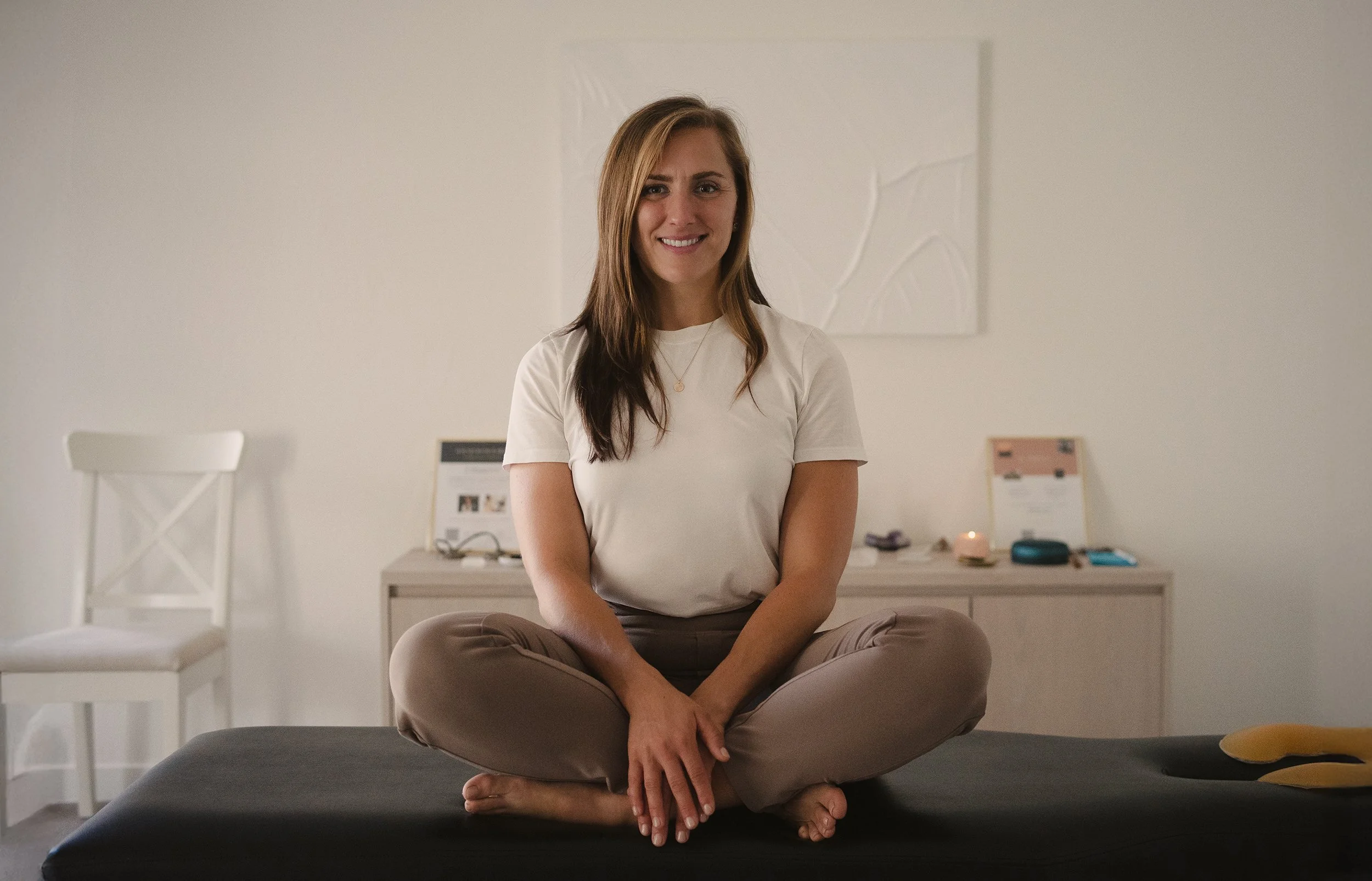
Dr. Alandi Stec is a Doctor of Chiropractic and Reiki Master specializing in nervous system-centered healing approaches. She serves the Pleasant Hill and Bay Area athletic community through Life Force Chiropractic, combining Bio-Geometric Integration with craniosacral work and somatic practices to support athletes in discovering their body's innate capacity for optimal performance and resilience.